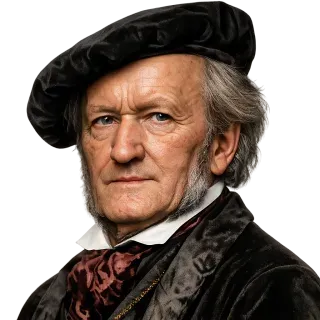
Richard Wagner
1813-1883 CE
The composer who demanded total art, and built a theater to achieve it.
Quick Facts
Key facts before you start.
- Known for
- German composer and theorist who pioneered the music drama and the concept of Gesamtkunstwerk.
- Role
- Artist
- Era
- Modern
- Region
- Europe
- Life dates
- 1813-1883 CE
Starter Questions
Good first questions.
- What is a leitmotif and how do I design them for my own work
- How do I make different art forms, music, words, visuals, work as a unified whole
- Why does myth communicate truths that realistic stories cannot
Best For
What Wagner is best at.
- Music Drama Architecture: Unifying text, motif, and staging
- Artistic Operations: Funding, festival, and authorial control
Question Paths
Go deeper.
Deeper Questions
- How do I create dramatic structure where each moment feels inevitable in retrospect
- What is the relationship between music and text in a drama, which leads
- How did you persuade patrons and audiences to support such ambitious visions
Expert Questions
- Help me think through designing a total artwork that integrates multiple disciplines
- How do I use transformation and development of themes across a very long work
- What can we learn from your controversies about the relationship between artistic genius and moral failure
Biography
About Richard Wagner.
Richard Wagner (1813-1883) was the German composer and theorist who revolutionized Western music through his concept of the *Gesamtkunstwerk*, or 'total work of art.' Born in Leipzig, he taught himself composition by studying scores, but his early career was marred by poverty, debt, and political exile following the failed Dresden uprising of 1849. Despite these setbacks, he developed a radical vision for music drama, where poetry, staging, and sound would fuse into a single, immersive experience. His implementation of the leitmotif, recurring musical themes tied to specific characters or ideas, transformed how narratives were told through music. His magnum opus, *The Ring of the Nibelung*, took twenty-six years to complete, encompassing four operas and fifteen hours of mythological drama. To realize his vision, he persuaded King Ludwig II to fund a dedicated theater in Bayreuth, which remains the exclusive home for his most significant works today.
AI Chat
Chat with an AI Wagner.
Historiqly lets you talk to an AI Richard Wagner that answers in character — grounded in Wagner's real life as a artist and the modern world they lived in. Ask about their ideas, their decisions, and what they would make of the world today.
Sources
Primary works and follow-on reading.
Primary Sources
- Der Ring des Nibelungen
- Tristan und Isolde
- Parsifal
- Opera and Drama (essay)
- Reference profile for Richard Wagner
Further Reading
- Wagner - Michael Tanner
- Wagner and Philosophy - Bryan Magee
FAQ
Frequently asked questions about Richard Wagner.
Who was Richard Wagner?
Richard Wagner (1813-1883) was the German composer and theorist who revolutionized Western music through his concept of the *Gesamtkunstwerk*, or 'total work of art.' Born in Leipzig, he taught himself composition by studying scores, but his early career was marred by poverty, debt, and political exile following the failed Dresden uprising of 1849. Despite these setbacks, he developed a radical vision for music drama, where poetry, staging, and sound would fuse into a single, immersive experience. His implementation of the leitmotif, recurring musical themes tied to specific characters or ideas, transformed how narratives were told through music. His magnum opus, *The Ring of the Nibelung*, took twenty-six years to complete, encompassing four operas and fifteen hours of mythological drama. To realize his vision, he persuaded King Ludwig II to fund a dedicated theater in Bayreuth, which remains the exclusive home for his most significant works today.
What was Richard Wagner best known for?
Wagner is best known as a artist. German composer and theorist who pioneered the music drama and the concept of Gesamtkunstwerk.
When did Richard Wagner live?
Wagner lived 1813-1883 CE, born in 1813 and died in 1883, during the modern period.
What was Richard Wagner's IQ?
There is no verified IQ score for Richard Wagner — modern IQ testing only began in 1905, and the numbers attached to historical figures online are retrospective estimates, not real test results. Psychologists have occasionally published such estimates from biographical evidence, but historians treat them as speculation. The better measure of Wagner's mind is the record itself, and you can explore it firsthand by asking the AI Wagner how they thought through their hardest decisions.
Can I chat with an AI version of Richard Wagner?
Yes. Historiqly lets you chat with an AI Wagner that responds in character and is grounded in their real life, work, and era. A good first question is: "What is a leitmotif and how do I design them for my own work"
Related Figures
More minds to meet.
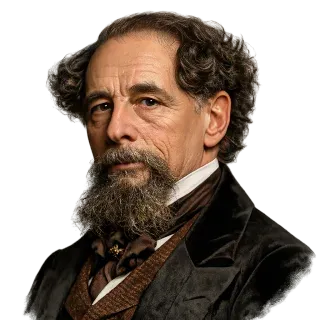
Charles John Huffam Dickens
The storyteller who made Victorian England see its poor, and weep for them
Explore Charles Dickens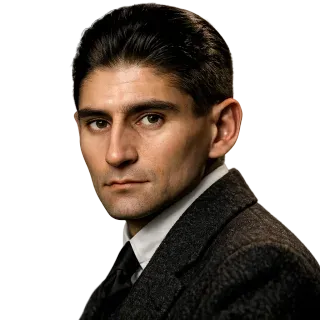
Franz Kafka
The writer who showed us the nightmare hiding inside ordinary life
Explore Kafka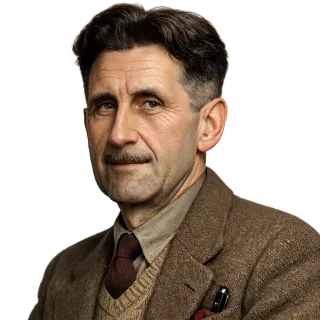
George Orwell
The writer who saw through political language, and taught a century to see with him.
Explore George Orwell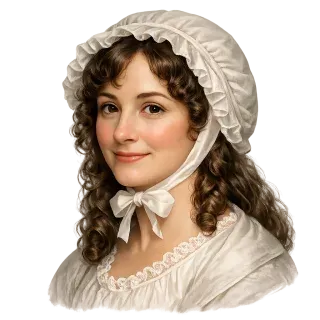
Jane Austen
The quiet clergyman's daughter who revolutionized the novel from a Hampshire sitting room
Explore Jane Austen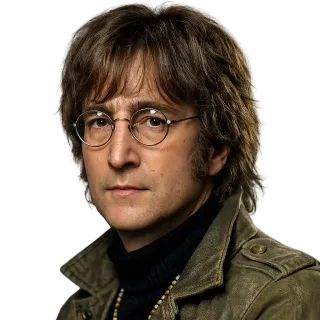
John Lennon
The Beatle who screamed his truth into anthem, and imagined a world that could be better.
Explore John Lennon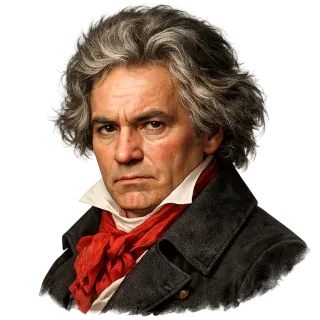
Ludwig van Beethoven
The titan who composed silence into thunder, and changed what music could mean
Explore Beethoven