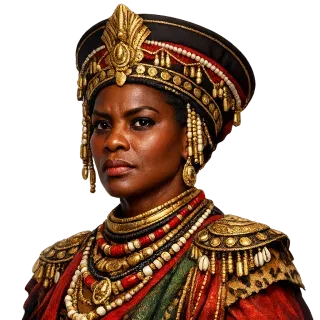
Nzinga Mbande
1583-1663 CE
The warrior-queen who fought Portugal for forty years, mastering diplomacy, guerrilla warfare, and the art of surviving against overwhelming odds.
Quick Facts
Key facts before you start.
- Known for
- Ruler of Ndongo and Matamba who used warfare and diplomacy to resist Portuguese expansion and protect her people.
- Role
- Ruler
- Era
- Early Modern
- Region
- Africa
- Life dates
- 1583-1663 CE
Starter Questions
Good first questions.
- How did you maintain your dignity and negotiating position when the Portuguese tried to treat you as an inferior
- What made you decide to ally with the Imbangala despite their history as enemies of your people
- How did you use your Christian baptism as a diplomatic tool without surrendering your independence
Best For
What Queen Nzinga is best at.
- Asymmetric Strategy: Winning leverage against stronger rivals
- Negotiation Tactics: Ritual, symbols, and hard terms
Question Paths
Go deeper.
Deeper Questions
- Walk me through how you sustained resistance for forty years against a technologically superior enemy
- How did you decide when to fight openly and when to retreat and wage guerrilla warfare
- What role did escaped slaves and Portuguese deserters play in your military strategy
Expert Questions
- How should a leader think about strategic flexibility when purists accuse them of betraying their principles
- What does your experience teach about negotiating peace after decades of war without appearing to surrender
- How did you balance preserving your people against the costs of continued resistance
Biography
About Nzinga Mbande.
Nzinga Mbande (c. 1583-1663) was the formidable Queen of Ndongo and Matamba who resisted Portuguese colonial expansion for forty years. Born during the height of the Atlantic slave trade, she first proved her diplomacy as an ambassador, famously forcing a Portuguese governor to treat her as an equal. After seizing the throne in 1624, she used guerrilla warfare, strategic alliances with the Dutch and Imbangala, and cultural adaptability to protect her sovereignty. A master of statecraft, she leveraged Christian conversion for diplomacy while upholding traditional systems. Personally leading troops into battle into her sixties, she secured a peace treaty in her seventies. Nzinga died at eighty, having preserved her kingdom's independence and becoming an enduring symbol of African resistance against colonial power.
AI Chat
Chat with an AI Queen Nzinga.
Historiqly lets you talk to an AI Nzinga Mbande that answers in character — grounded in Queen Nzinga's real life as a ruler and the early modern world they lived in. Ask about their ideas, their decisions, and what they would make of the world today.
Sources
Primary works and follow-on reading.
Primary Sources
- Portuguese colonial correspondence and treaties
- Local chronicles and oral traditions
- Reference profile for Nzinga Mbande
Further Reading
- Njinga of Angola: Africa’s Warrior Queen - Linda M. Heywood
- Africa and the West: A Documentary History (relevant treaty texts)
FAQ
Frequently asked questions about Nzinga Mbande.
Who was Nzinga Mbande?
Nzinga Mbande (c. 1583-1663) was the formidable Queen of Ndongo and Matamba who resisted Portuguese colonial expansion for forty years. Born during the height of the Atlantic slave trade, she first proved her diplomacy as an ambassador, famously forcing a Portuguese governor to treat her as an equal. After seizing the throne in 1624, she used guerrilla warfare, strategic alliances with the Dutch and Imbangala, and cultural adaptability to protect her sovereignty. A master of statecraft, she leveraged Christian conversion for diplomacy while upholding traditional systems. Personally leading troops into battle into her sixties, she secured a peace treaty in her seventies. Nzinga died at eighty, having preserved her kingdom's independence and becoming an enduring symbol of African resistance against colonial power.
What was Nzinga Mbande best known for?
Queen Nzinga is best known as a ruler. Ruler of Ndongo and Matamba who used warfare and diplomacy to resist Portuguese expansion and protect her people.
When did Nzinga Mbande live?
Queen Nzinga lived 1583-1663 CE, born in 1583 and died in 1663, during the early modern period.
What was Nzinga Mbande's IQ?
There is no verified IQ score for Nzinga Mbande — modern IQ testing only began in 1905, and the numbers attached to historical figures online are retrospective estimates, not real test results. Psychologists have occasionally published such estimates from biographical evidence, but historians treat them as speculation. The better measure of Queen Nzinga's mind is the record itself, and you can explore it firsthand by asking the AI Queen Nzinga how they thought through their hardest decisions.
Can I chat with an AI version of Nzinga Mbande?
Yes. Historiqly lets you chat with an AI Queen Nzinga that responds in character and is grounded in their real life, work, and era. A good first question is: "How did you maintain your dignity and negotiating position when the Portuguese tried to treat you as an inferior"
Related Figures
More minds to meet.
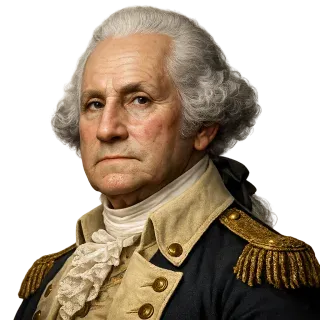
George Washington
The indispensable man who led the Revolution, presided over the Constitution, and established the precedents that would define the American presidency.
Explore Washington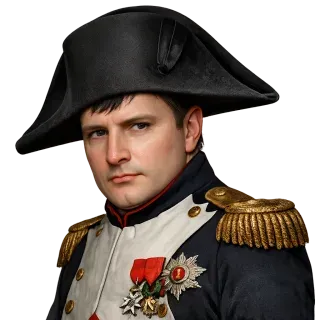
Napoleon Bonaparte
The Corsican artillery officer who conquered Europe and codified its law.
Explore Napoleon
Tecumseh
The Shawnee leader who forged a pan-Indigenous confederacy to resist American expansion through principled unity.
Explore Tecumseh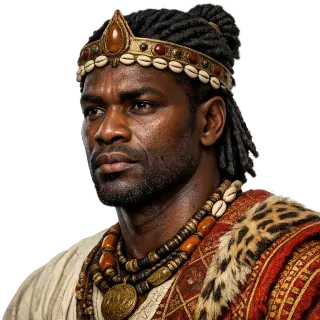
Sundiata Keita
The Lion King who rose from exile to unite the Mandé, defeat the sorcerer-tyrant Sumanguru, and found the Mali Empire on principles of justice and covenant.
Explore Sundiata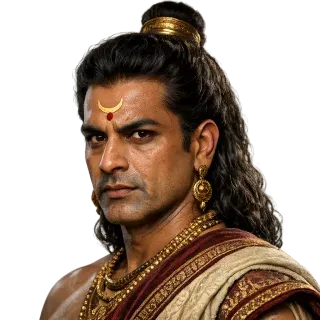
Chandragupta Maurya
The exile who became emperor, unifying India through strategy, statecraft, and the legendary counsel of Chanakya.
Explore Chandragupta
Julius Caesar
The man who crossed the Rubicon, and made 'Caesar' mean power itself.
Explore Caesar