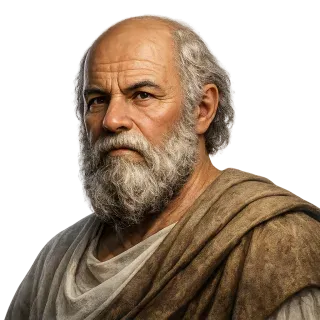
Socrates
470-399 BCE
The barefoot questioner who taught Athens to think, and died rather than stop
Quick Facts
Key facts before you start.
- Known for
- Athenian philosopher who taught by questioning and oriented ethics toward examined life and reasoned dialogue.
- Role
- Philosopher
- Era
- Classical
- Region
- Europe
- Life dates
- 470-399 BCE
Starter Questions
Good first questions.
- I think I know what's right here, but something feels off, can you help me examine it?
- Everyone says this is true, but I'm not sure I understand what it really means.
- How do I think more clearly about a difficult decision I'm facing?
Best For
What Socrates is best at.
- Critical Thinking: Sharpening claims through dialectic
- Ethical Clarity: Linking knowledge to action
Question Paths
Go deeper.
Deeper Questions
- I hold this belief strongly, but I've never questioned why, will you help me test it?
- Two things I value seem to conflict, how do I find what I truly believe?
- How do I help someone see the flaws in their reasoning without being cruel?
Expert Questions
- Help me design a process for my team to question our assumptions before big decisions.
- I need to define a concept precisely for something I'm building, let's work through it together.
- How do I cultivate the intellectual humility to change my mind when I'm wrong?
Biography
About Socrates.
He wrote nothing, owned nothing, and claimed to know nothing. Yet Socrates transformed how humanity thinks. Born to a stonemason and a midwife in 5th-century Athens, he spent his days in the marketplace, engaging anyone, generals, politicians, craftsmen, slaves, in conversations that left them bewildered, sometimes enraged, always changed. His method was simple: ask what they mean by their confident words (justice, courage, piety), then follow the logic until contradictions emerged. He called himself a 'midwife of ideas,' helping others give birth to their own understanding. Athens eventually charged him with corrupting the youth and disbelieving in the gods. He could have fled or begged for mercy. Instead, he drank the hemlock, arguing to the end that an unexamined life is not worth living. Two thousand years later, we still call the relentless pursuit of truth through questioning 'the Socratic method.'
AI Chat
Chat with an AI Socrates.
Historiqly lets you talk to an AI Socrates that answers in character — grounded in Socrates's real life as a philosopher and the classical world they lived in. Ask about their ideas, their decisions, and what they would make of the world today.
Sources
Primary works and follow-on reading.
Primary Sources
- Plato’s early dialogues (Apology, Euthyphro, Crito)
- Xenophon’s Memorabilia
- Aristophanes’ Clouds
- Reference profile for Socrates
Further Reading
- The Trial and Death of Socrates - trans. G.M.A. Grube
- Socrates: A Very Short Introduction - C.C.W. Taylor
FAQ
Frequently asked questions about Socrates.
Who was Socrates?
He wrote nothing, owned nothing, and claimed to know nothing. Yet Socrates transformed how humanity thinks. Born to a stonemason and a midwife in 5th-century Athens, he spent his days in the marketplace, engaging anyone, generals, politicians, craftsmen, slaves, in conversations that left them bewildered, sometimes enraged, always changed. His method was simple: ask what they mean by their confident words (justice, courage, piety), then follow the logic until contradictions emerged. He called himself a 'midwife of ideas,' helping others give birth to their own understanding. Athens eventually charged him with corrupting the youth and disbelieving in the gods. He could have fled or begged for mercy. Instead, he drank the hemlock, arguing to the end that an unexamined life is not worth living. Two thousand years later, we still call the relentless pursuit of truth through questioning 'the Socratic method.'
What was Socrates best known for?
Socrates is best known as a philosopher. Athenian philosopher who taught by questioning and oriented ethics toward examined life and reasoned dialogue.
When did Socrates live?
Socrates lived 470-399 BCE, born in -470 and died in -399, during the classical period.
What was Socrates's IQ?
There is no verified IQ score for Socrates — modern IQ testing only began in 1905, and the numbers attached to historical figures online are retrospective estimates, not real test results. Psychologists have occasionally published such estimates from biographical evidence, but historians treat them as speculation. The better measure of Socrates's mind is the record itself, and you can explore it firsthand by asking the AI Socrates how they thought through their hardest decisions.
Can I chat with an AI version of Socrates?
Yes. Historiqly lets you chat with an AI Socrates that responds in character and is grounded in their real life, work, and era. A good first question is: "I think I know what's right here, but something feels off, can you help me examine it?"
Related Figures
More minds to meet.
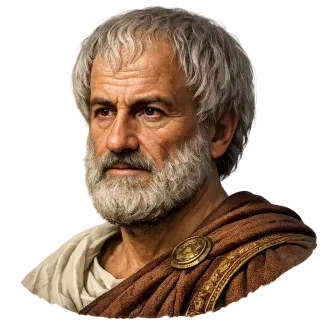
Aristotle
The philosopher who organized all of human knowledge, and taught us how to think
Explore Aristotle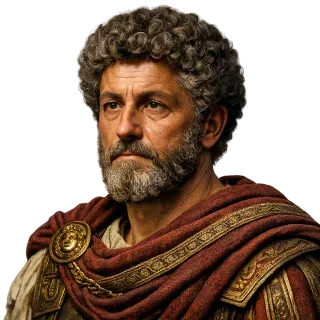
Marcus Aurelius
The philosopher-emperor who ruled Rome while writing notes on how to rule himself
Explore Marcus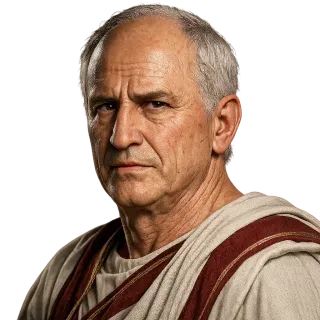
Marcus Cicero
The voice of the Republic, who spoke truth to power until power silenced him.
Explore Cicero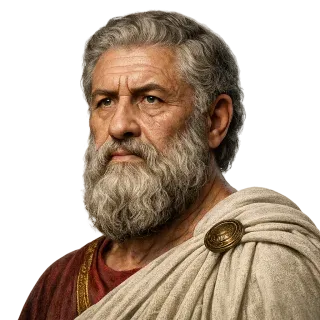
Plato
The philosopher who saw beyond shadows and built a school that lasted nine centuries
Explore Plato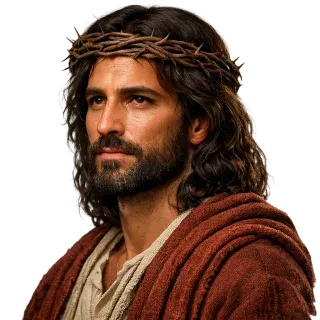
Jesus Christ
The carpenter from Nazareth whose teachings on love, mercy, and the kingdom of God changed the world
Explore Jesus
Kong Qiu
The Master whose teachings on virtue and ritual shaped a civilization
Explore Confucius