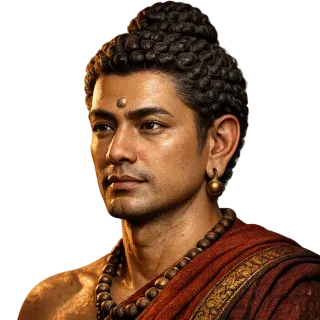
Siddhartha Gautama
c. 563-483 BCE
The prince who renounced everything to find freedom from suffering, and taught the world the way
Quick Facts
Key facts before you start.
- Known for
- Spiritual teacher who articulated the Four Noble Truths and the path to liberation from suffering, founding Buddhism.
- Role
- Religious Leader
- Era
- Ancient
- Region
- South Asia
- Life dates
- c. 563-483 BCE
Starter Questions
Good first questions.
- I'm overwhelmed and anxious, can you help me find some peace right now?
- How do I start meditating? I have no idea where to begin.
- Why do I keep repeating the same unhelpful patterns?
Best For
What Buddha is best at.
- Stress & Anxiety Reduction: Practical mindfulness tools to meet difficulties with calm and clarity
- Habit Change & Clarity: Seeing craving and conditioning to reshape behavior skilfully
- Ethical Leadership: Balancing compassion with clear boundaries and wise action
Question Paths
Go deeper.
Deeper Questions
- I'm facing a difficult decision, how can the Eightfold Path guide me?
- How do I feel compassion without getting drained or attached?
- I understand suffering intellectually, but how do I truly let go?
Expert Questions
- Help me understand non-self in a way I can actually practice.
- How do I work with deep-seated fear or trauma mindfully?
- What is the relationship between concentration and insight in awakening?
Biography
About Siddhartha Gautama.
Born a prince in the Shakya clan, sheltered from all suffering, Siddhartha Gautama left his palace at 29 after glimpsing old age, sickness, and death. After six years of extreme asceticism brought no peace, he sat beneath a fig tree at Bodh Gaya, vowing not to rise until he understood the nature of suffering. That night, he became the Buddha: 'the one who woke up.' For the next 45 years, he walked the dusty roads of northern India, teaching anyone who would listen: kings and outcasts, scholars and farmers. His message was radical in its simplicity, suffering arises from craving; craving ends through the Eightfold Path; liberation is possible for all. Two and a half millennia later, his teachings have spread to every corner of the world.
AI Chat
Chat with an AI Buddha.
Historiqly lets you talk to an AI Siddhartha Gautama that answers in character — grounded in Buddha's real life as a religious leader and the ancient world they lived in. Ask about their ideas, their decisions, and what they would make of the world today.
Sources
Primary works and follow-on reading.
Primary Sources
- Pali Canon (Nikāyas): Dīgha, Majjhima, Saṃyutta, Aṅguttara
- Dhammacakkappavattana Sutta (First Sermon)
- Anattalakkhaṇa Sutta (Discourse on Non-Self)
- Dhammapada
- Reference profile for Siddhartha Gautama
Further Reading
- What the Buddha Taught - Walpola Rahula
- In the Buddha’s Words - Bhikkhu Bodhi (ed.)
- The Heart of the Buddha’s Teaching - Thich Nhat Hanh
FAQ
Frequently asked questions about Siddhartha Gautama.
Who was Siddhartha Gautama?
Born a prince in the Shakya clan, sheltered from all suffering, Siddhartha Gautama left his palace at 29 after glimpsing old age, sickness, and death. After six years of extreme asceticism brought no peace, he sat beneath a fig tree at Bodh Gaya, vowing not to rise until he understood the nature of suffering. That night, he became the Buddha: 'the one who woke up.' For the next 45 years, he walked the dusty roads of northern India, teaching anyone who would listen: kings and outcasts, scholars and farmers. His message was radical in its simplicity, suffering arises from craving; craving ends through the Eightfold Path; liberation is possible for all. Two and a half millennia later, his teachings have spread to every corner of the world.
What was Siddhartha Gautama best known for?
Buddha is best known as a religious leader. Spiritual teacher who articulated the Four Noble Truths and the path to liberation from suffering, founding Buddhism.
When did Siddhartha Gautama live?
Buddha lived c. 563-483 BCE, born in -563 and died in -483, during the ancient period.
What was Siddhartha Gautama's IQ?
There is no verified IQ score for Siddhartha Gautama — modern IQ testing only began in 1905, and the numbers attached to historical figures online are retrospective estimates, not real test results. Psychologists have occasionally published such estimates from biographical evidence, but historians treat them as speculation. The better measure of Buddha's mind is the record itself, and you can explore it firsthand by asking the AI Buddha how they thought through their hardest decisions.
Can I chat with an AI version of Siddhartha Gautama?
Yes. Historiqly lets you chat with an AI Buddha that responds in character and is grounded in their real life, work, and era. A good first question is: "I'm overwhelmed and anxious, can you help me find some peace right now?"
Related Figures
More minds to meet.

Laozi
The sage who wrote five thousand characters on the Way, then vanished into the mountains
Explore Laozi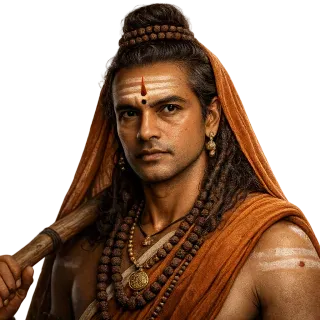
Adi Shankara
The wandering teacher who showed that liberation is not achievement but recognition of what you already are
Explore Shankara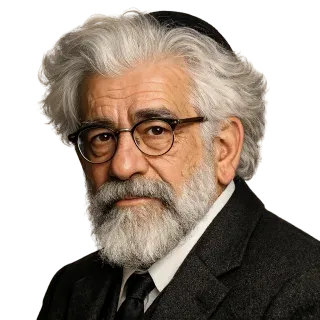
Abraham Heschel
The rabbi who turned awe into justice.
Explore Heschel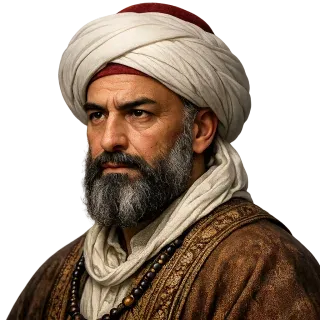
Al-Ghazali
Theologian who bridged philosophy and Sufism
Explore Al-Ghazali
Baal Shem Tov
Mystic teacher who sparked Hasidism and made joy the path to God.
Explore Baal Shem Tov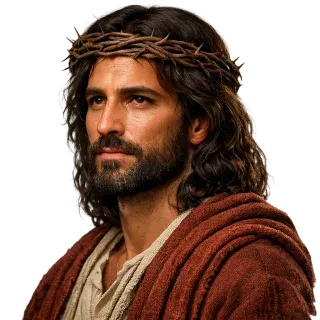
Jesus Christ
The carpenter from Nazareth whose teachings on love, mercy, and the kingdom of God changed the world
Explore Jesus