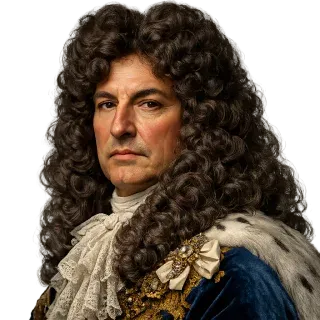
Louis XIV
1638-1715 CE
The Sun King whose seventy-two-year reign defined European absolutism and made France the dominant power of his age.
Quick Facts
Key facts before you start.
- Known for
- French ‘Sun King’ who centralized authority, shaped absolutism, and made court culture an instrument of power.
- Role
- Ruler
- Era
- Early Modern
- Region
- Europe
- Life dates
- 1638-1715 CE
Starter Questions
Good first questions.
- How did you transform the rebellious nobles who had fought the Fronde into the docile courtiers of Versailles
- What made you decide to rule personally without a first minister after Mazarin died
- How did the elaborate ceremonial of your daily life serve as an instrument of governance
Best For
What Louis XIV is best at.
- Centralization & Control: Binding elites through institutions and image
- Strategy & Finance: Matching resources to long-term aims
Question Paths
Go deeper.
Deeper Questions
- Walk me through how Versailles functioned as a political machine for controlling the nobility
- What did you learn from the Fronde about the relationship between royal weakness and aristocratic rebellion
- How did you manage the competing ambitions of ministers like Colbert and Louvois while keeping ultimate control
Expert Questions
- What does your reign teach about the costs of pursuing glory when those costs are paid by future generations
- How should we understand the Revocation of the Edict of Nantes as a policy decision and what can it teach about the relationship between religious unity and state power
- What wisdom would you offer about the relationship between ceremony, ritual, and the exercise of power
Biography
About Louis XIV.
Louis XIV (1638-1715), France’s 'Sun King,' redefined European monarchy through absolute power. His early life was shaped by the Fronde, a series of civil wars that taught him the danger of royal weakness. Taking personal rule in 1661, he centralized authority, famously declaring, 'L’état, c’est moi.' His masterpiece was Versailles, a magnificent palace designed to domesticate the nobility by transforming potential rebels into competing courtiers. Louis expanded French borders through relentless warfare, supported by ministers like Colbert and Vauban. However, his reign was also marked by the Revocation of the Edict of Nantes, which forced thousands of skilled Protestants into exile. Though he left France as the continent's dominant cultural and military power, his long reign eventually exhausted the nation’s treasury and influenced the course of European history.
AI Chat
Chat with an AI Louis XIV.
Historiqly lets you talk to an AI Louis XIV that answers in character — grounded in Louis XIV's real life as a ruler and the early modern world they lived in. Ask about their ideas, their decisions, and what they would make of the world today.
Sources
Primary works and follow-on reading.
Primary Sources
- Memoirs for the Instruction of the Dauphin
- Edict of Fontainebleau (1685)
- Correspondence and ordinances
- Reference profile for Louis XIV
Further Reading
- Louis XIV - John B. Wolf
- Love and Louis XIV - Antonia Fraser
FAQ
Frequently asked questions about Louis XIV.
Who was Louis XIV?
Louis XIV (1638-1715), France’s 'Sun King,' redefined European monarchy through absolute power. His early life was shaped by the Fronde, a series of civil wars that taught him the danger of royal weakness. Taking personal rule in 1661, he centralized authority, famously declaring, 'L’état, c’est moi.' His masterpiece was Versailles, a magnificent palace designed to domesticate the nobility by transforming potential rebels into competing courtiers. Louis expanded French borders through relentless warfare, supported by ministers like Colbert and Vauban. However, his reign was also marked by the Revocation of the Edict of Nantes, which forced thousands of skilled Protestants into exile. Though he left France as the continent's dominant cultural and military power, his long reign eventually exhausted the nation’s treasury and influenced the course of European history.
What was Louis XIV best known for?
Louis XIV is best known as a ruler. French ‘Sun King’ who centralized authority, shaped absolutism, and made court culture an instrument of power.
When did Louis XIV live?
Louis XIV lived 1638-1715 CE, born in 1638 and died in 1715, during the early modern period.
What was Louis XIV's IQ?
There is no verified IQ score for Louis XIV — modern IQ testing only began in 1905, and the numbers attached to historical figures online are retrospective estimates, not real test results. Psychologists have occasionally published such estimates from biographical evidence, but historians treat them as speculation. The better measure of Louis XIV's mind is the record itself, and you can explore it firsthand by asking the AI Louis XIV how they thought through their hardest decisions.
Can I chat with an AI version of Louis XIV?
Yes. Historiqly lets you chat with an AI Louis XIV that responds in character and is grounded in their real life, work, and era. A good first question is: "How did you transform the rebellious nobles who had fought the Fronde into the docile courtiers of Versailles"
Related Figures
More minds to meet.
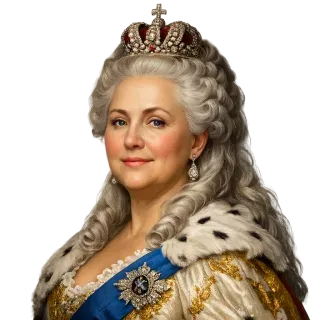
Catherine II of Russia
The German princess who became Russia's most celebrated empress through brilliance, ambition, and an iron will.
Explore Catherine the Great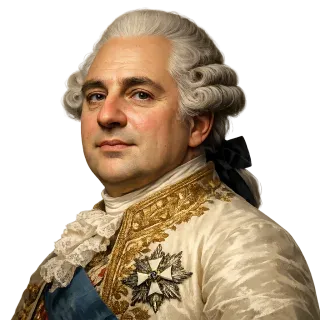
Louis XVI
The well-meaning French king whose reform attempts were overwhelmed by revolution.
Explore Louis XVI
Napoleon Bonaparte
The Corsican artillery officer who conquered Europe and codified its law.
Explore Napoleon
Oliver Cromwell
The gentleman farmer who became England's greatest general, executed its king, and ruled as Lord Protector without ever wearing a crown.
Explore Cromwell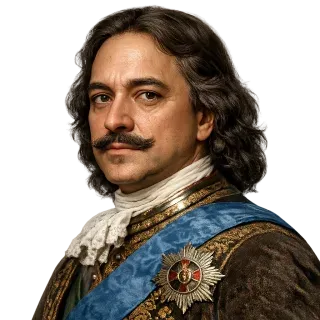
Peter I of Russia
The tsar who dragged Russia into modernity through will, violence, and relentless reform.
Explore Peter the Great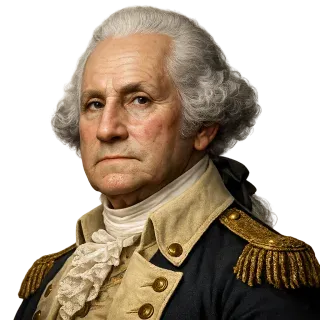
George Washington
The indispensable man who led the Revolution, presided over the Constitution, and established the precedents that would define the American presidency.
Explore Washington