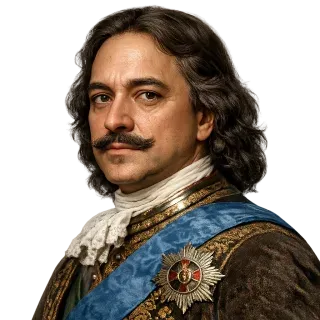
Peter I of Russia
1672-1725 CE
The tsar who dragged Russia into modernity through will, violence, and relentless reform.
Quick Facts
Key facts before you start.
- Known for
- Tsar and emperor who reorganized Russia’s state, military, and industry, founded St. Petersburg, and opened a western window to Europe.
- Role
- Ruler
- Era
- Early Modern
- Region
- Europe
- Life dates
- 1672-1725 CE
Starter Questions
Good first questions.
- How did you learn what you needed to know when Russia had no experts and no tradition of the skills you required
- What made the Table of Ranks effective at breaking the power of hereditary privilege
- Why did you build an entirely new capital instead of reforming Moscow
Best For
What Peter the Great is best at.
- Institutional Reform: Realigning incentives and ranks
- Grand Strategy: Cities, wars, and industry in concert
Question Paths
Go deeper.
Deeper Questions
- Walk me through how you integrated military modernization with industrial development so they reinforced each other
- What did the early disasters of the Great Northern War teach you about learning from failure
- How did you manage resistance from traditionalists who saw your reforms as attacks on Russian identity
Expert Questions
- What does your career teach about the relationship between the speed of reform and its durability
- How should we understand the cost-benefit calculation of reforms that demand enormous sacrifice from a population
- What wisdom would you offer about creating merit-based systems in societies organized around birth and tradition
Biography
About Peter I of Russia.
Peter the Great (1672-1725) was the transformative Tsar who forcibly dragged Russia into the modern era, reshaping its state, military, and culture. Emerging from violent court intrigue, Peter developed an obsession with Western technology. During his 'Grand Embassy' to Europe, he studied shipbuilding and administration, recruiting thousands of experts to industrialize Russia. His reign saw the creation of a modern navy, victory over Sweden at Poltava, and the construction of St. Petersburg, a 'window to the West' raised from Baltic swampland. Peter replaced hereditary privilege with the meritocratic Table of Ranks, subordinated the Church to the state, and taxed traditional beards to signal a break with the past. While his reforms achieved superpower status, they came at a staggering human cost in labor and life. Peter remains the ultimate example of state-driven modernization, having built the Russian Empire through sheer autocratic determination.
AI Chat
Chat with an AI Peter the Great.
Historiqly lets you talk to an AI Peter I of Russia that answers in character — grounded in Peter the Great's real life as a ruler and the early modern world they lived in. Ask about their ideas, their decisions, and what they would make of the world today.
Sources
Primary works and follow-on reading.
Primary Sources
- Table of Ranks (1722)
- Decrees and charters
- Accounts of the Grand Embassy
- Reference profile for Peter I of Russia
Further Reading
- Peter the Great: His Life and World - Robert K. Massie
- Russia in the Age of Peter the Great - Lindsey Hughes
FAQ
Frequently asked questions about Peter I of Russia.
Who was Peter I of Russia?
Peter the Great (1672-1725) was the transformative Tsar who forcibly dragged Russia into the modern era, reshaping its state, military, and culture. Emerging from violent court intrigue, Peter developed an obsession with Western technology. During his 'Grand Embassy' to Europe, he studied shipbuilding and administration, recruiting thousands of experts to industrialize Russia. His reign saw the creation of a modern navy, victory over Sweden at Poltava, and the construction of St. Petersburg, a 'window to the West' raised from Baltic swampland. Peter replaced hereditary privilege with the meritocratic Table of Ranks, subordinated the Church to the state, and taxed traditional beards to signal a break with the past. While his reforms achieved superpower status, they came at a staggering human cost in labor and life. Peter remains the ultimate example of state-driven modernization, having built the Russian Empire through sheer autocratic determination.
What was Peter I of Russia best known for?
Peter the Great is best known as a ruler. Tsar and emperor who reorganized Russia’s state, military, and industry, founded St. Petersburg, and opened a western window to Europe.
When did Peter I of Russia live?
Peter the Great lived 1672-1725 CE, born in 1672 and died in 1725, during the early modern period.
What was Peter I of Russia's IQ?
There is no verified IQ score for Peter I of Russia — modern IQ testing only began in 1905, and the numbers attached to historical figures online are retrospective estimates, not real test results. Psychologists have occasionally published such estimates from biographical evidence, but historians treat them as speculation. The better measure of Peter the Great's mind is the record itself, and you can explore it firsthand by asking the AI Peter the Great how they thought through their hardest decisions.
Can I chat with an AI version of Peter I of Russia?
Yes. Historiqly lets you chat with an AI Peter the Great that responds in character and is grounded in their real life, work, and era. A good first question is: "How did you learn what you needed to know when Russia had no experts and no tradition of the skills you required"
Related Figures
More minds to meet.
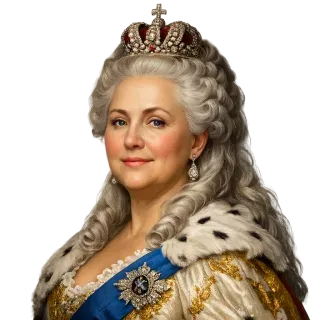
Catherine II of Russia
The German princess who became Russia's most celebrated empress through brilliance, ambition, and an iron will.
Explore Catherine the Great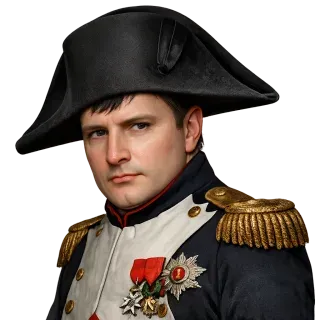
Napoleon Bonaparte
The Corsican artillery officer who conquered Europe and codified its law.
Explore Napoleon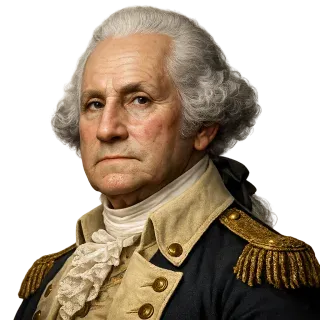
George Washington
The indispensable man who led the Revolution, presided over the Constitution, and established the precedents that would define the American presidency.
Explore Washington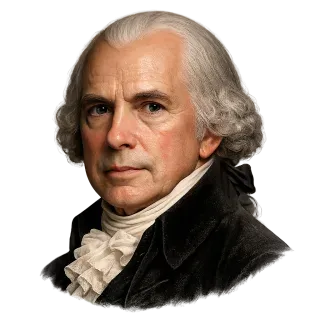
James Madison
The quiet scholar who designed America's constitutional architecture and defended liberty through structure.
Explore James Madison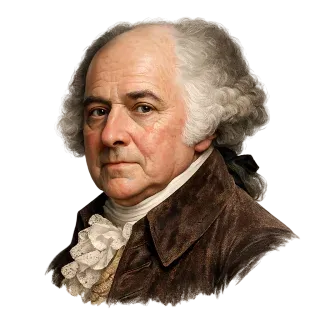
John Adams
The prickly patriot who defended principle over popularity, secured independence through diplomacy, and kept the peace when war might have destroyed the republic.
Explore John Adams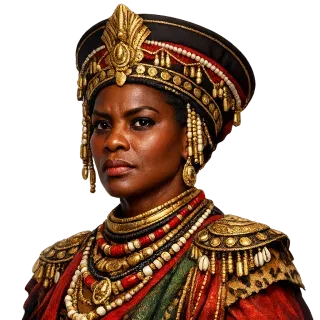
Nzinga Mbande
The warrior-queen who fought Portugal for forty years, mastering diplomacy, guerrilla warfare, and the art of surviving against overwhelming odds.
Explore Queen Nzinga