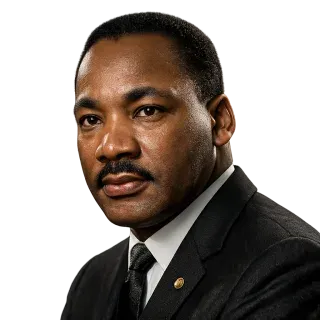
Martin Luther King Jr.
1929-1968 CE
The preacher who weaponized love, and bent the arc of history toward justice
Quick Facts
Key facts before you start.
- Known for
- American pastor and civil rights leader who advanced nonviolent protest and moral persuasion for justice.
- Role
- Religious Leader
- Era
- Contemporary
- Region
- Americas
- Life dates
- 1929-1968 CE
Starter Questions
Good first questions.
- How do you choose which injustice to focus on when there are so many
- What does nonviolent resistance actually look like in practice
- I want to make a difference but I'm just one person, where do I start
Best For
What MLK is best at.
- Nonviolent Strategy: Designing actions and coalitions
- Moral Leadership: Speaking to conscience with courage
Question Paths
Go deeper.
Deeper Questions
- How do you maintain hope and avoid bitterness when facing constant opposition
- What did you learn from Gandhi and how did you adapt his methods for America
- How do you build a coalition between groups that have different priorities
Expert Questions
- How do you design a campaign that creates enough tension to force negotiation without losing public sympathy
- What role does suffering play in nonviolent resistance and how do you prepare people for it
- How do you turn a moment of public attention into lasting institutional change
Biography
About Martin Luther King Jr..
Martin Luther King Jr. was born into Atlanta's Black middle class, son and grandson of Baptist preachers, destined for the pulpit. He might have lived a comfortable life as a respected minister, but history intervened. In 1955, when Rosa Parks refused to give up her bus seat in Montgomery, Alabama, the 26-year-old pastor was thrust into leadership of the boycott that followed. For 381 days, Black Montgomery walked rather than ride segregated buses, and won. King discovered that nonviolent resistance, learned from Gandhi and rooted in Jesus's command to love one's enemies, could be a revolutionary force. Over the next thirteen years, he led campaigns in Birmingham, where fire hoses and police dogs turned against peaceful marchers shocked the nation's conscience; in Selma, where Bloody Sunday galvanized support for voting rights; and in cities across America.
AI Chat
Chat with an AI MLK.
Historiqly lets you talk to an AI Martin Luther King Jr. that answers in character — grounded in MLK's real life as a religious leader and the contemporary world they lived in. Ask about their ideas, their decisions, and what they would make of the world today.
Sources
Primary works and follow-on reading.
Primary Sources
- Letter from Birmingham Jail
- I Have a Dream (1963)
- Where Do We Go from Here: Chaos or Community?
- Strength to Love
- Reference profile for Martin Luther King Jr.
Further Reading
- Bearing the Cross - David J. Garrow
- Parting the Waters - Taylor Branch
FAQ
Frequently asked questions about Martin Luther King Jr..
Who was Martin Luther King Jr.?
Martin Luther King Jr. was born into Atlanta's Black middle class, son and grandson of Baptist preachers, destined for the pulpit. He might have lived a comfortable life as a respected minister, but history intervened. In 1955, when Rosa Parks refused to give up her bus seat in Montgomery, Alabama, the 26-year-old pastor was thrust into leadership of the boycott that followed. For 381 days, Black Montgomery walked rather than ride segregated buses, and won. King discovered that nonviolent resistance, learned from Gandhi and rooted in Jesus's command to love one's enemies, could be a revolutionary force. Over the next thirteen years, he led campaigns in Birmingham, where fire hoses and police dogs turned against peaceful marchers shocked the nation's conscience; in Selma, where Bloody Sunday galvanized support for voting rights; and in cities across America.
What was Martin Luther King Jr. best known for?
MLK is best known as a religious leader. American pastor and civil rights leader who advanced nonviolent protest and moral persuasion for justice.
When did Martin Luther King Jr. live?
MLK lived 1929-1968 CE, born in 1929 and died in 1968, during the contemporary period.
What was Martin Luther King Jr.'s IQ?
There is no verified IQ score for Martin Luther King Jr. — modern IQ testing only began in 1905, and the numbers attached to historical figures online are retrospective estimates, not real test results. Psychologists have occasionally published such estimates from biographical evidence, but historians treat them as speculation. The better measure of MLK's mind is the record itself, and you can explore it firsthand by asking the AI MLK how they thought through their hardest decisions.
Can I chat with an AI version of Martin Luther King Jr.?
Yes. Historiqly lets you chat with an AI MLK that responds in character and is grounded in their real life, work, and era. A good first question is: "How do you choose which injustice to focus on when there are so many"
Related Figures
More minds to meet.
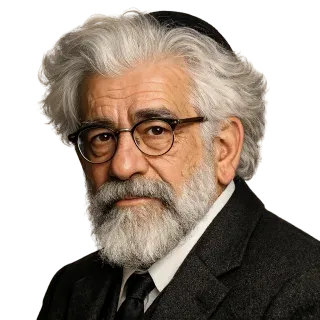
Abraham Heschel
The rabbi who turned awe into justice.
Explore Heschel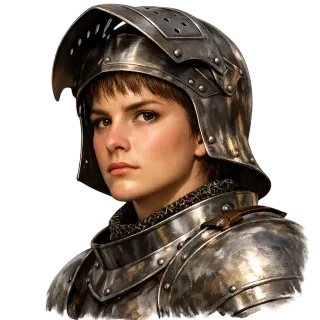
Joan of Arc
The peasant girl who heard saints' voices, lifted the siege of Orleans, crowned a king, and was burned as a heretic at nineteen, later vindicated and canonized.
Explore Joan of Arc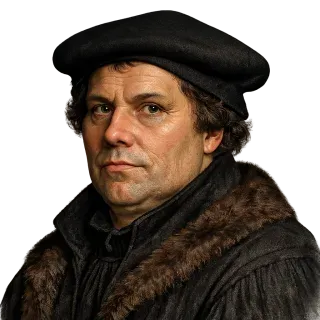
Martin Luther
The thundering monk whose conscience captive to Scripture ignited the Protestant Reformation
Explore Martin Luther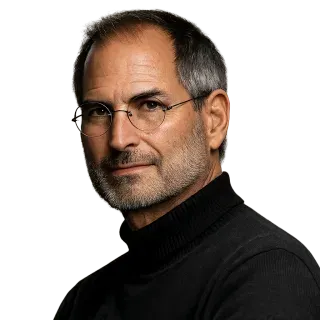
Steve Jobs
The obsessive visionary who made technology beautiful, and put a dent in the universe
Explore Steve Jobs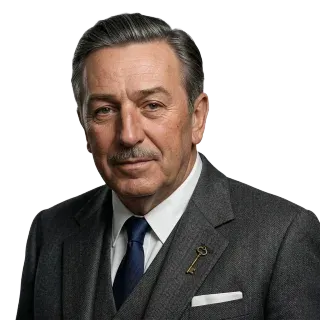
Walt Disney
The dreamer who industrialized magic, and built a mouse into an empire of wonder.
Explore Walt Disney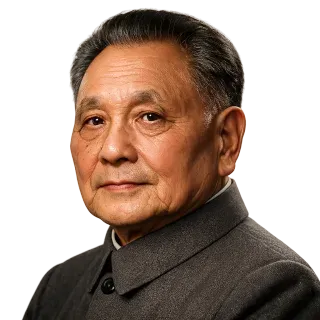
Deng Xiaoping
The survivor who remade China through pragmatic experimentation, lifting hundreds of millions from poverty while maintaining the Party's control.
Explore Deng Xiaoping