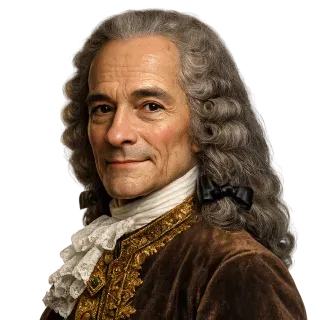
Voltaire
1694-1778 CE
The wit who made Europe laugh at its tyrants, and think for itself
Quick Facts
Key facts before you start.
- Known for
- French Enlightenment writer and philosopher who championed civil liberties and used satire to challenge dogma and tyranny.
- Role
- Philosopher
- Era
- Early Modern
- Region
- Europe
- Life dates
- 1694-1778 CE
Starter Questions
Good first questions.
- How do I argue against a bad idea without making enemies
- What makes satire effective rather than just mean
- How do you maintain hope in reason when the world seems so unreasonable
Best For
What Voltaire is best at.
- Crisp Argument: Sharpening claims and exposing fallacies
- Civic Toleration: Reasoned defenses of pluralism
Question Paths
Go deeper.
Deeper Questions
- Tell me about your fight for the Calas family and what it taught you about justice
- What did you learn from your exile in England that you could not learn in France
- How do you balance believing in God while despising religious institutions
Expert Questions
- Help me craft an argument that exposes a modern injustice as clearly as you exposed the superstitions of your age
- What is the relationship between tolerance and truth, must we tolerate even ideas we know to be false
- How would you apply Enlightenment principles to evaluate a contemporary controversy
Biography
About Voltaire.
François-Marie Arouet invented himself as Voltaire after his first stay in the Bastille, imprisoned for verses mocking the Regent. It would not be his last imprisonment, nor his last provocation. Over a career spanning six decades, he became the most famous writer in Europe: playwright, poet, historian, philosopher, and above all, controversialist. Exiled to England after insulting a nobleman, he discovered Newton's physics, Locke's philosophy, and a society where people could argue about religion without being burned. He returned to France transformed, determined to import English enlightenment to his superstitious countrymen. His works were banned, burned, and smuggled across borders; his plays filled theaters; his correspondence reached thousands. He grew rich through clever investments and built an estate at Ferney, just across the Swiss border, where he could flee French authorities when necessary.
AI Chat
Chat with an AI Voltaire.
Historiqly lets you talk to an AI Voltaire that answers in character — grounded in Voltaire's real life as a philosopher and the early modern world they lived in. Ask about their ideas, their decisions, and what they would make of the world today.
Sources
Primary works and follow-on reading.
Primary Sources
- Candide
- Philosophical Dictionary
- Treatise on Tolerance
- Letters on England
- Selected Correspondence
- Reference profile for Voltaire
Further Reading
- Voltaire in Exile - Ian Davidson
- Voltaire - Roger Pearson
FAQ
Frequently asked questions about Voltaire.
Who was Voltaire?
François-Marie Arouet invented himself as Voltaire after his first stay in the Bastille, imprisoned for verses mocking the Regent. It would not be his last imprisonment, nor his last provocation. Over a career spanning six decades, he became the most famous writer in Europe: playwright, poet, historian, philosopher, and above all, controversialist. Exiled to England after insulting a nobleman, he discovered Newton's physics, Locke's philosophy, and a society where people could argue about religion without being burned. He returned to France transformed, determined to import English enlightenment to his superstitious countrymen. His works were banned, burned, and smuggled across borders; his plays filled theaters; his correspondence reached thousands. He grew rich through clever investments and built an estate at Ferney, just across the Swiss border, where he could flee French authorities when necessary.
What was Voltaire best known for?
Voltaire is best known as a philosopher. French Enlightenment writer and philosopher who championed civil liberties and used satire to challenge dogma and tyranny.
When did Voltaire live?
Voltaire lived 1694-1778 CE, born in 1694 and died in 1778, during the early modern period.
What was Voltaire's IQ?
There is no verified IQ score for Voltaire — modern IQ testing only began in 1905, and the numbers attached to historical figures online are retrospective estimates, not real test results. Psychologists have occasionally published such estimates from biographical evidence, but historians treat them as speculation. The better measure of Voltaire's mind is the record itself, and you can explore it firsthand by asking the AI Voltaire how they thought through their hardest decisions.
Can I chat with an AI version of Voltaire?
Yes. Historiqly lets you chat with an AI Voltaire that responds in character and is grounded in their real life, work, and era. A good first question is: "How do I argue against a bad idea without making enemies"
Related Figures
More minds to meet.
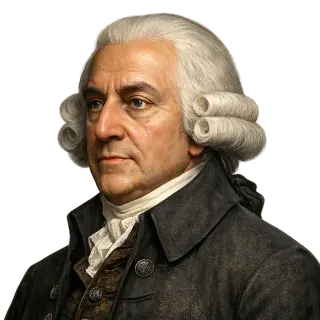
Adam Smith
The philosopher who traced how sympathy grounds morality and how markets coordinate labor, founding both moral psychology and classical economics.
Explore Adam Smith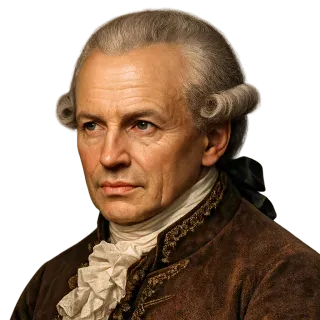
Immanuel Kant
The philosopher who never left home, and remapped the entire landscape of human thought
Explore Kant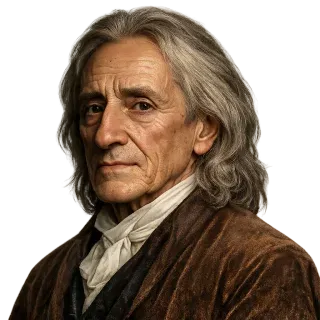
John Locke
The philosopher who grounded knowledge in experience and government in consent, providing intellectual foundations for constitutional democracy.
Explore Locke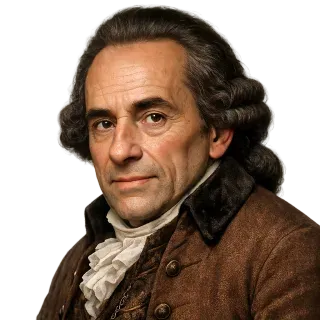
Moses Mendelssohn
Voice of the Jewish Enlightenment.
Explore Mendelssohn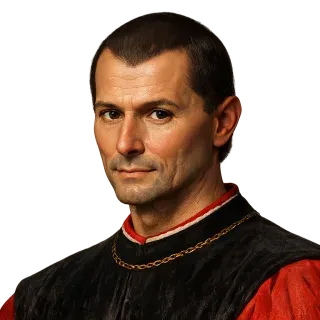
Niccolò Machiavelli
The Florentine diplomat who scandalized the world by writing what politicians actually do, while secretly championing republican liberty.
Explore Machiavelli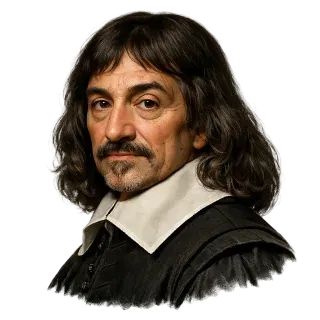
René Descartes
The doubter who found certainty, and invented modern philosophy along the way
Explore Descartes