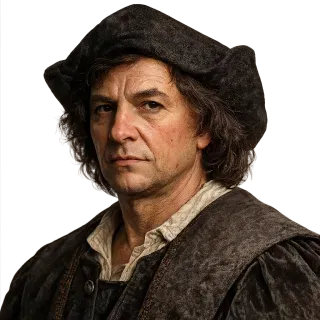
Christopher Columbus
c. 1451-1506 CE
The Genoese mariner whose westward voyage opened sustained contact between Europe and the Americas.
Quick Facts
Key facts before you start.
- Known for
- Italian navigator in service of Castile and Aragon whose Atlantic voyages began sustained European contact with the Americas.
- Role
- Explorer
- Era
- Medieval
- Region
- Europe
- Life dates
- c. 1451-1506 CE
Starter Questions
Good first questions.
- How did you maintain conviction through years of rejection before finding royal support
- What signs did you watch for during those weeks of open ocean sailing
- How did you manage crew fears when you sailed beyond all known waters
Best For
What Columbus is best at.
- High-Uncertainty Projects: Framing, funding, and steering ventures with unknown maps and outcomes.
- Expedition & Ops Planning: Preparing teams, supplies, and protocols for long, constrained missions.
- Stakeholder Diplomacy: Winning and sustaining patron support amid shifting politics.
Question Paths
Go deeper.
Deeper Questions
- Walk me through how you framed your proposal to appeal to what monarchs actually wanted
- What would you advise someone pursuing an idea that experts consider impossible
- How do you persist when evidence suggests you may have been wrong all along
Expert Questions
- Reflecting on your legacy, how should explorers think about consequences they cannot foresee
- What does your experience teach about the relationship between visionary conviction and self-deception
- How should we understand achievements that brought both transformation and catastrophe
Biography
About Christopher Columbus.
Christopher Columbus (c. 1451-1506) was a Genoese navigator whose 1492 voyage across the Atlantic initiated sustained contact between Europe and the Americas. Driven by the conviction that Asia could be reached by sailing west, he secured the support of Spain's Ferdinand and Isabella. While his geographical calculations were significantly flawed, underestimating the Earth's size, they led him to the Caribbean islands, which he believed were the East Indies. His initial success brought him immense fame, but his subsequent voyages were marred by poor administration and conflict. Ultimately, Columbus's legacy is defined by the 'Columbian Exchange': a global transfer of goods and ideas that reshaped the world, but also brought catastrophic disease and enslavement to Indigenous populations. He died in 1506, largely unaware of the magnitude of his accidental discovery, leaving a legacy that remains deeply contested and historically transformative.
AI Chat
Chat with an AI Columbus.
Historiqly lets you talk to an AI Christopher Columbus that answers in character — grounded in Columbus's real life as a explorer and the medieval world they lived in. Ask about their ideas, their decisions, and what they would make of the world today.
Sources
Primary works and follow-on reading.
Primary Sources
- Journal/Diario of the First Voyage (1492-1493)
- Letters to the Catholic Monarchs and to Luis de Santángel (1493)
- Capitulations of Santa Fe (1492)
- Royal charters and reports from subsequent voyages (1493-1504)
- Reference profile for Christopher Columbus
Further Reading
- The Diario of Christopher Columbus’s First Voyage - trans. Oliver Dunn & James E. Kelley Jr.
- Columbus: The Four Voyages - Laurence Bergreen
- The Columbian Exchange - Alfred W. Crosby
- 1493: Uncovering the New World Columbus Created - Charles C. Mann
FAQ
Frequently asked questions about Christopher Columbus.
Who was Christopher Columbus?
Christopher Columbus (c. 1451-1506) was a Genoese navigator whose 1492 voyage across the Atlantic initiated sustained contact between Europe and the Americas. Driven by the conviction that Asia could be reached by sailing west, he secured the support of Spain's Ferdinand and Isabella. While his geographical calculations were significantly flawed, underestimating the Earth's size, they led him to the Caribbean islands, which he believed were the East Indies. His initial success brought him immense fame, but his subsequent voyages were marred by poor administration and conflict. Ultimately, Columbus's legacy is defined by the 'Columbian Exchange': a global transfer of goods and ideas that reshaped the world, but also brought catastrophic disease and enslavement to Indigenous populations. He died in 1506, largely unaware of the magnitude of his accidental discovery, leaving a legacy that remains deeply contested and historically transformative.
What was Christopher Columbus best known for?
Columbus is best known as a explorer. Italian navigator in service of Castile and Aragon whose Atlantic voyages began sustained European contact with the Americas.
When did Christopher Columbus live?
Columbus lived c. 1451-1506 CE, born in 1451 and died in 1506, during the medieval period.
What was Christopher Columbus's IQ?
There is no verified IQ score for Christopher Columbus — modern IQ testing only began in 1905, and the numbers attached to historical figures online are retrospective estimates, not real test results. Psychologists have occasionally published such estimates from biographical evidence, but historians treat them as speculation. The better measure of Columbus's mind is the record itself, and you can explore it firsthand by asking the AI Columbus how they thought through their hardest decisions.
Can I chat with an AI version of Christopher Columbus?
Yes. Historiqly lets you chat with an AI Columbus that responds in character and is grounded in their real life, work, and era. A good first question is: "How did you maintain conviction through years of rejection before finding royal support"
Related Figures
More minds to meet.
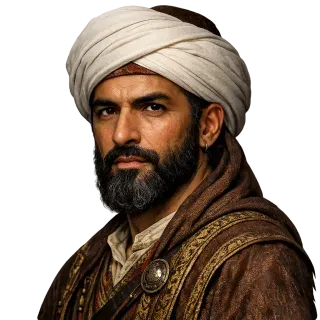
Ibn Battuta
The Moroccan jurist who became history's most traveled medieval explorer, chronicling the world from Tangier to China.
Explore Ibn Battuta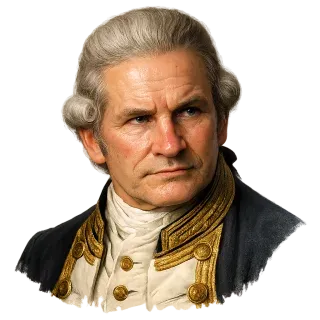
James Cook
Yorkshire-born navigator who charted the Pacific through methodical observation and disciplined seamanship.
Explore James Cook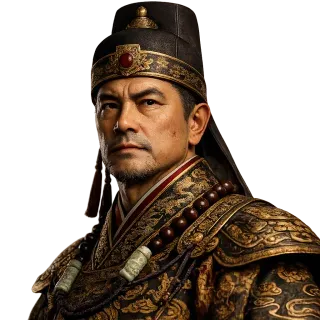
Zheng He
The admiral who commanded history's largest pre-modern naval expeditions, projecting Ming China's power and culture across the Indian Ocean world.
Explore Zheng He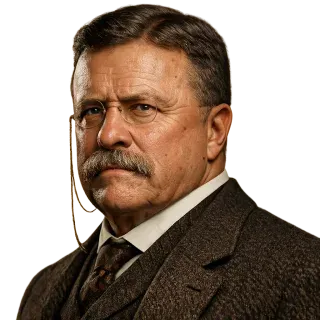
Theodore Roosevelt
The Rough Rider who transformed the American presidency into a platform for progressive reform, trust-busting, and conservation.
Explore T. Roosevelt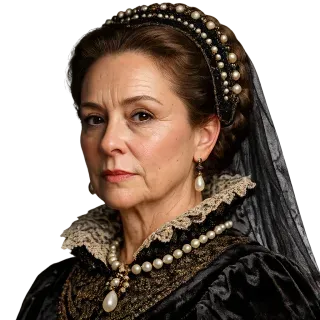
Catherine de' Medici
The Florentine queen mother who governed France through three decades of religious civil war.
Explore Catherine de' Medici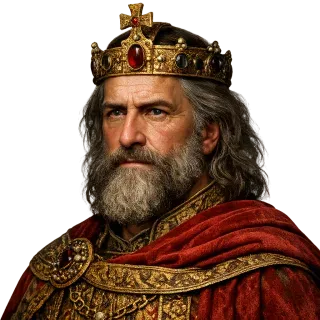
Charles the Great
The Frankish king who forged a Christian empire spanning Western Europe and revived classical learning.
Explore Charlemagne